

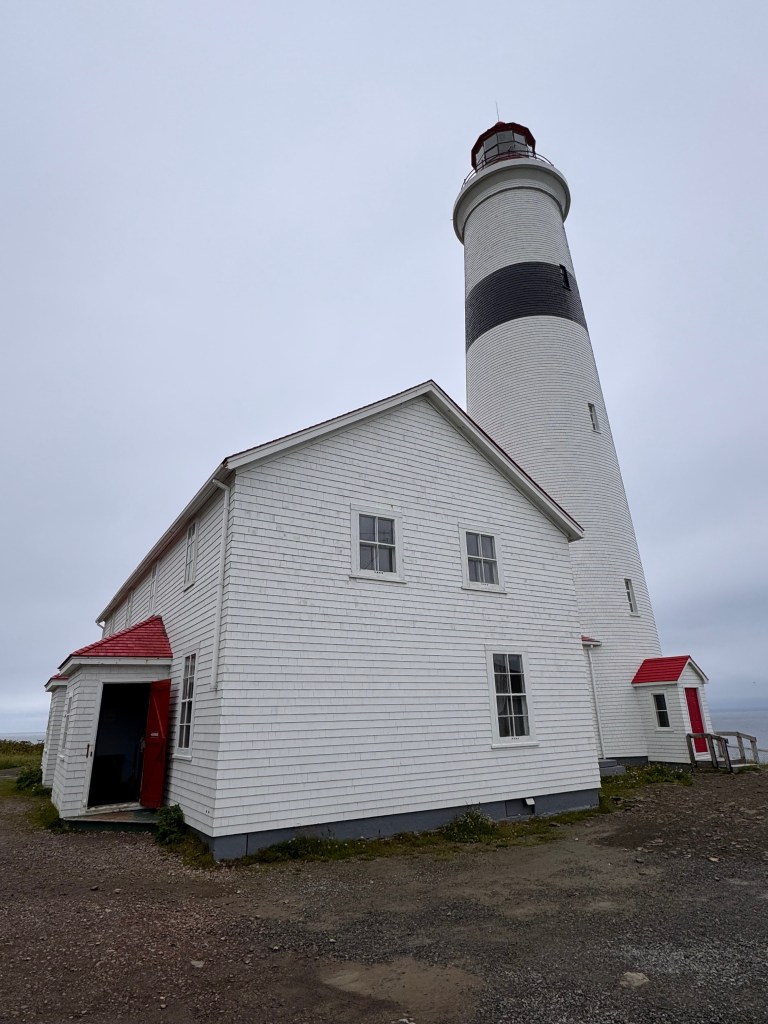
We visited the Pointe-Amour lighthouse this morning, the second tallest lighthouse in the eastern provinces– just three feet shorter than one in Quebec. I could tell this irked the interpreters we met there.
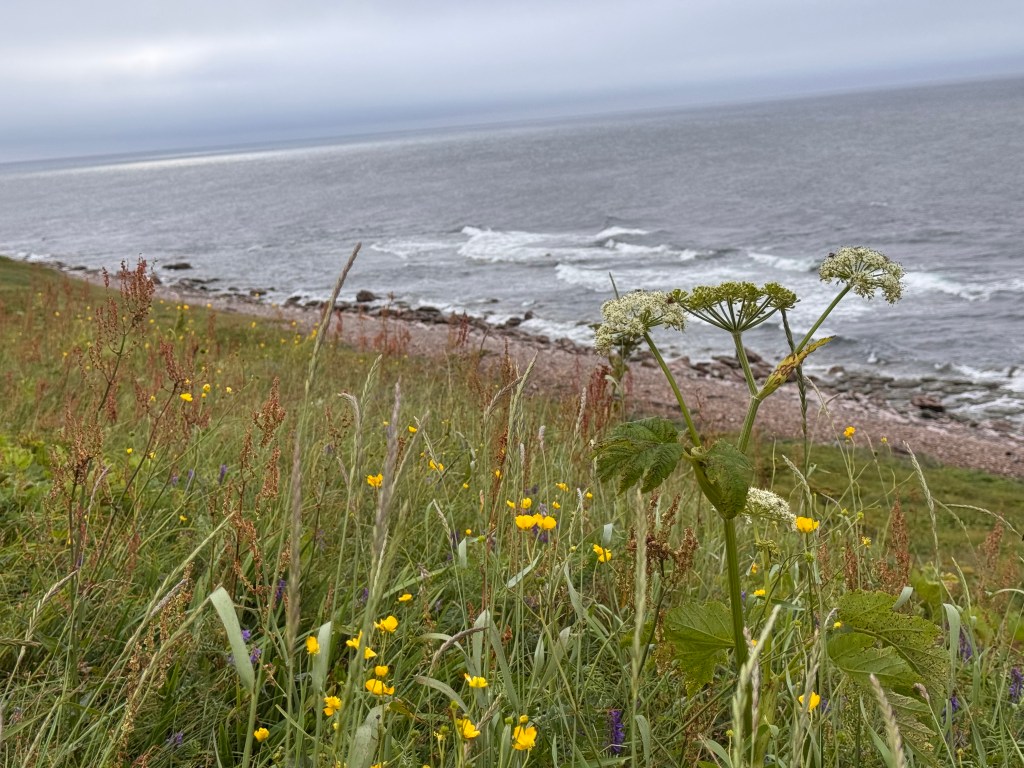
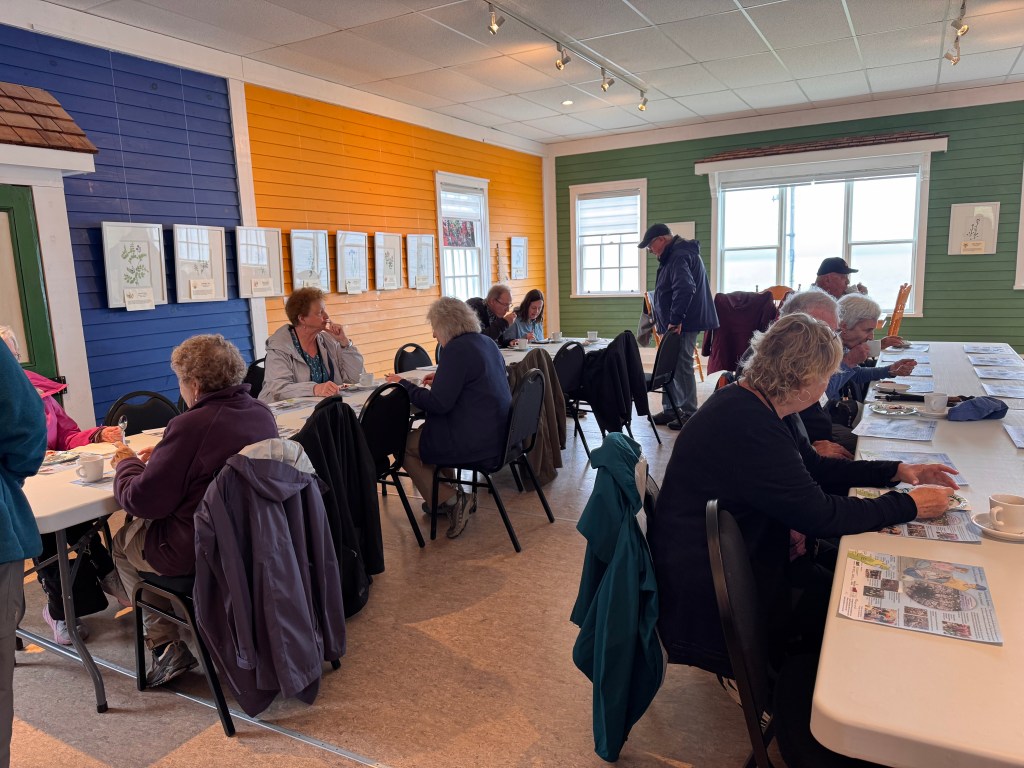
We were hosted in a room hung with beautiful watercolors of the wildflowers of Labrador. We were served bakeapple (cloudberry) tarts with cream and tea. Then we had the opportunity to climb all the way up the second tallest lighthouse in the eastern provinces.
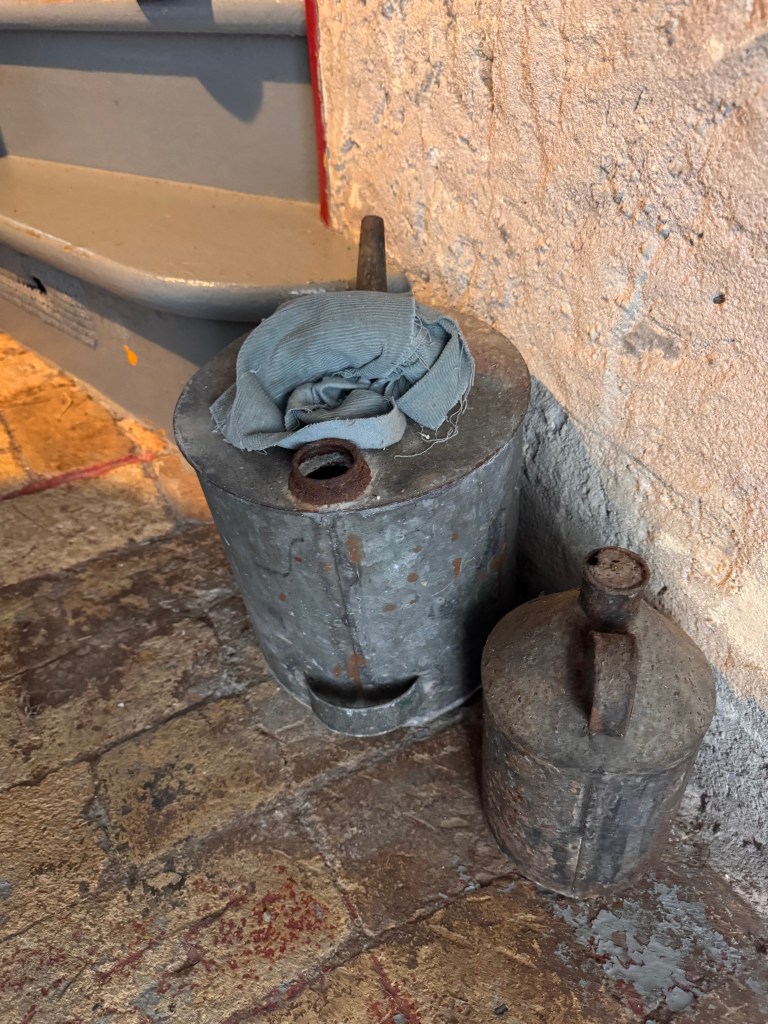
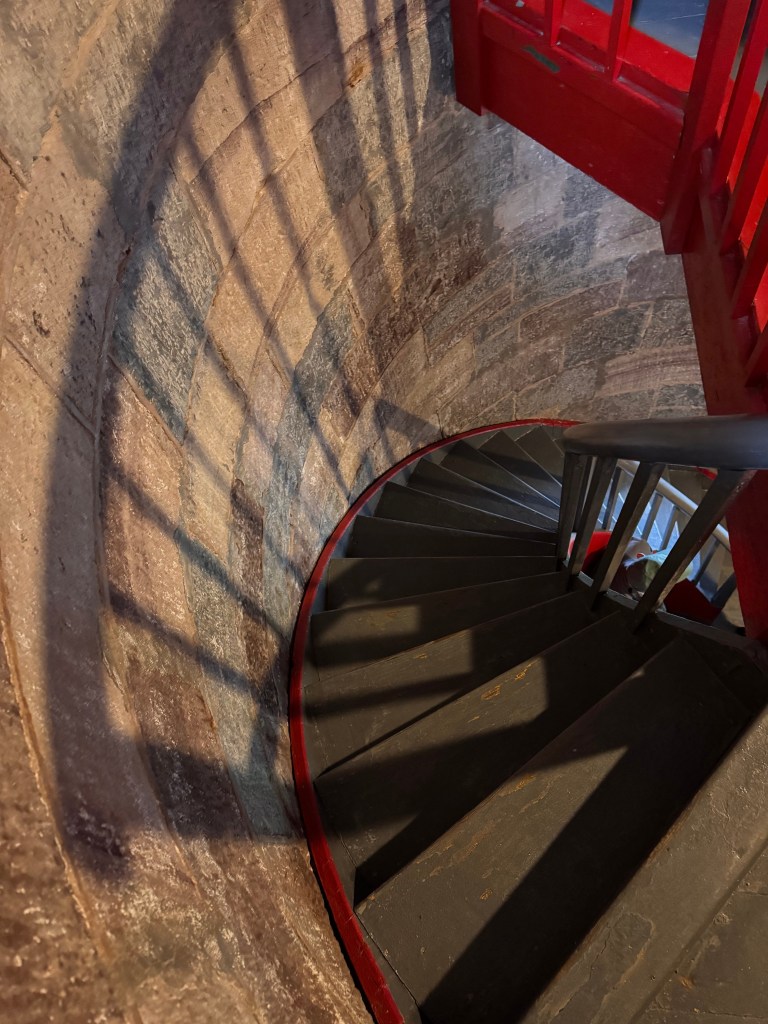
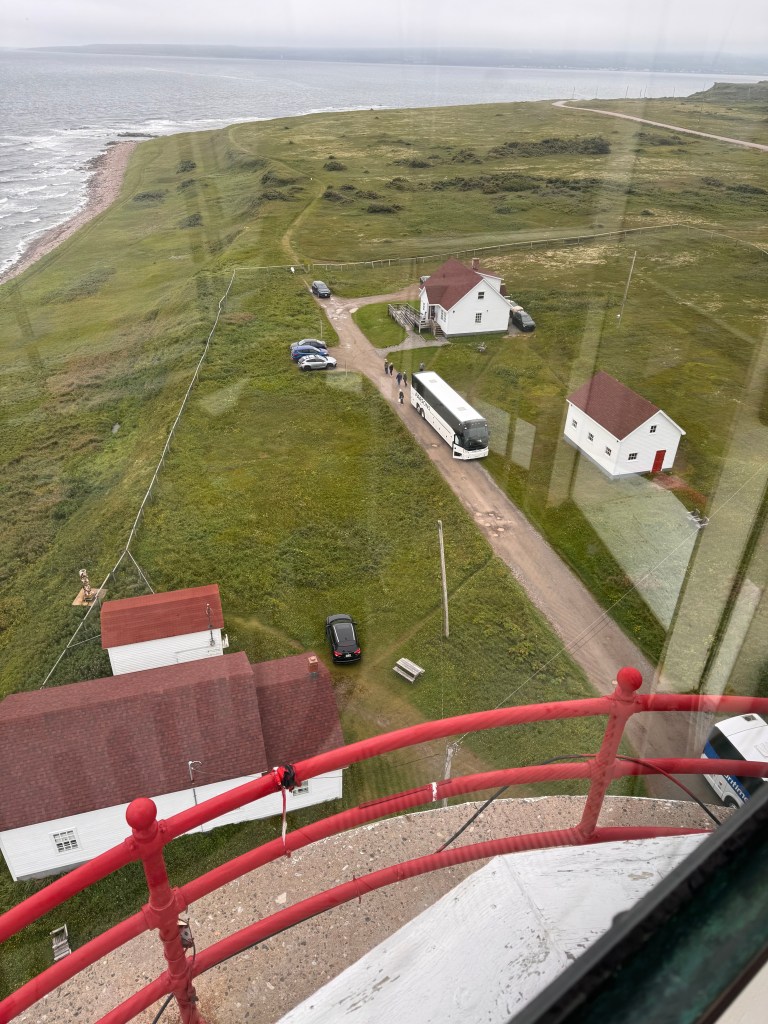

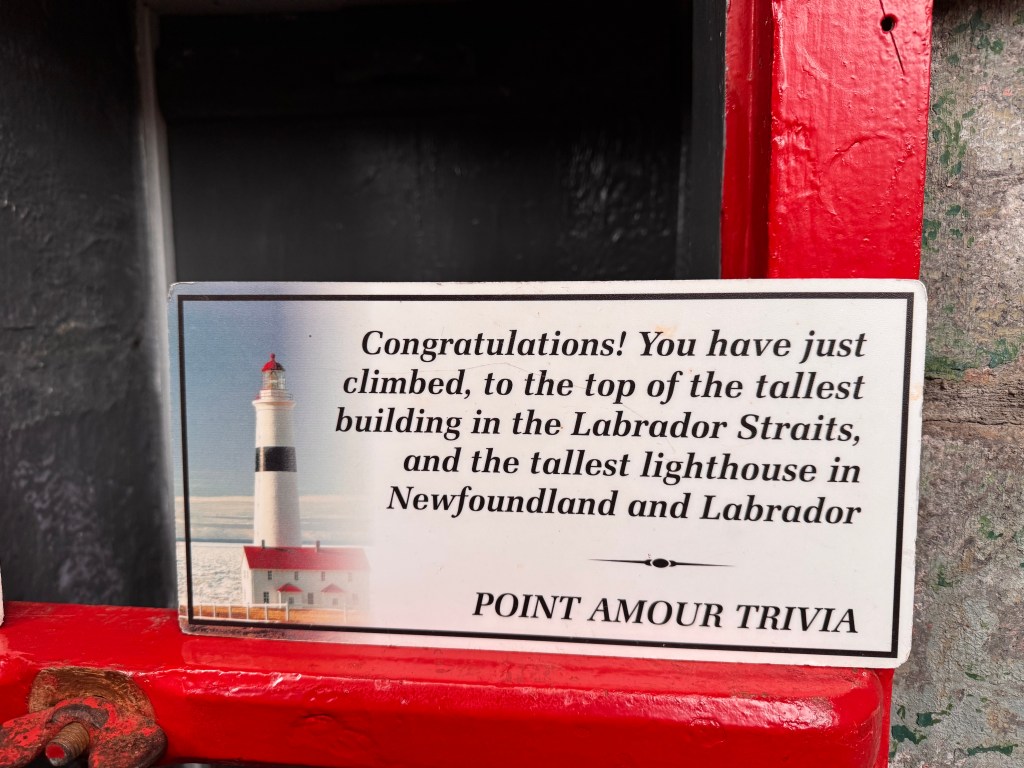
The light keeper would have walked up and down the stairs many times in a shift, carrying kerosene cans to keep the light. Every day was legs day if you were a lightkeeper.
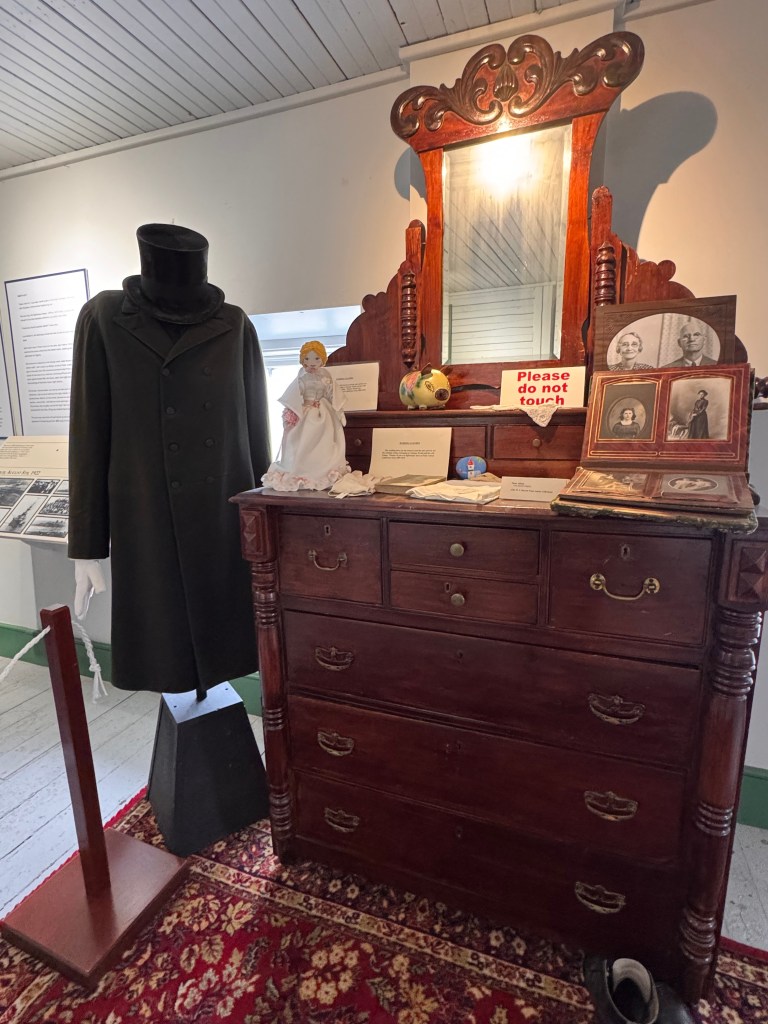
This lighthouse eventually came to have a larger home attached to it. The dresser on the left was built by a lightkeeper from beached wood after a shipwreck, and was gifted back to the museum by a descendant of thr light keeper.
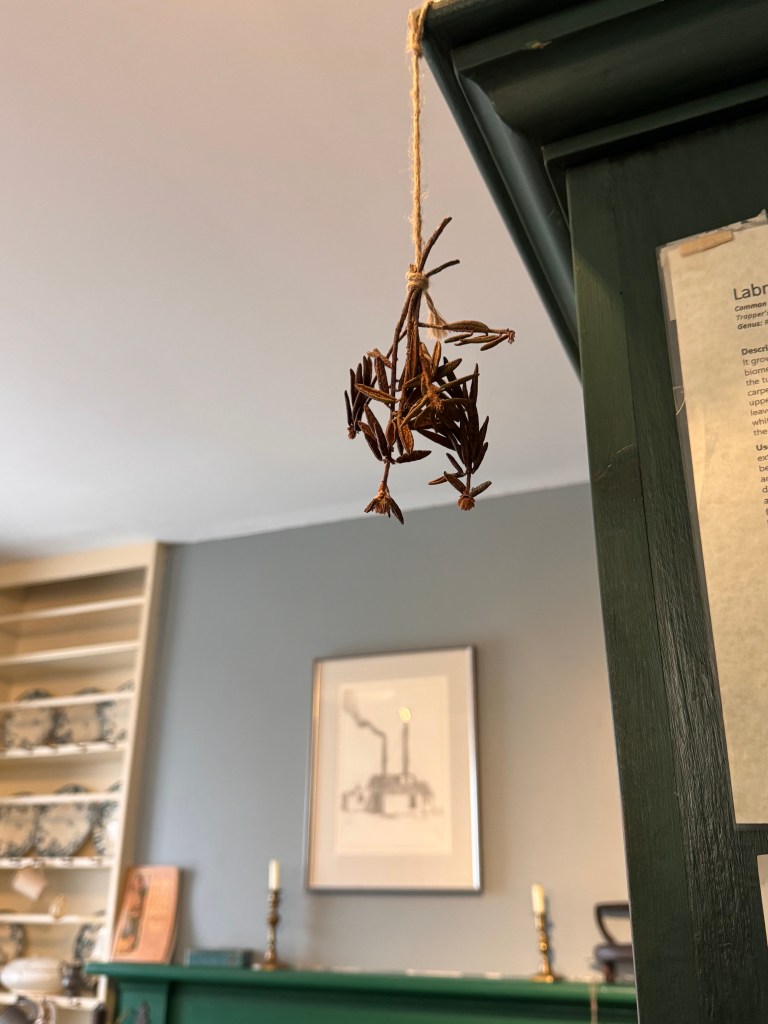
The dried herbs are labrador tea, a species of rhododendron, that is freely collected here to brew. We were served a sample. It reminded me a bit of rosemary, but others thought mint. It’s supposed to be very healthy with lots of vitamin C.
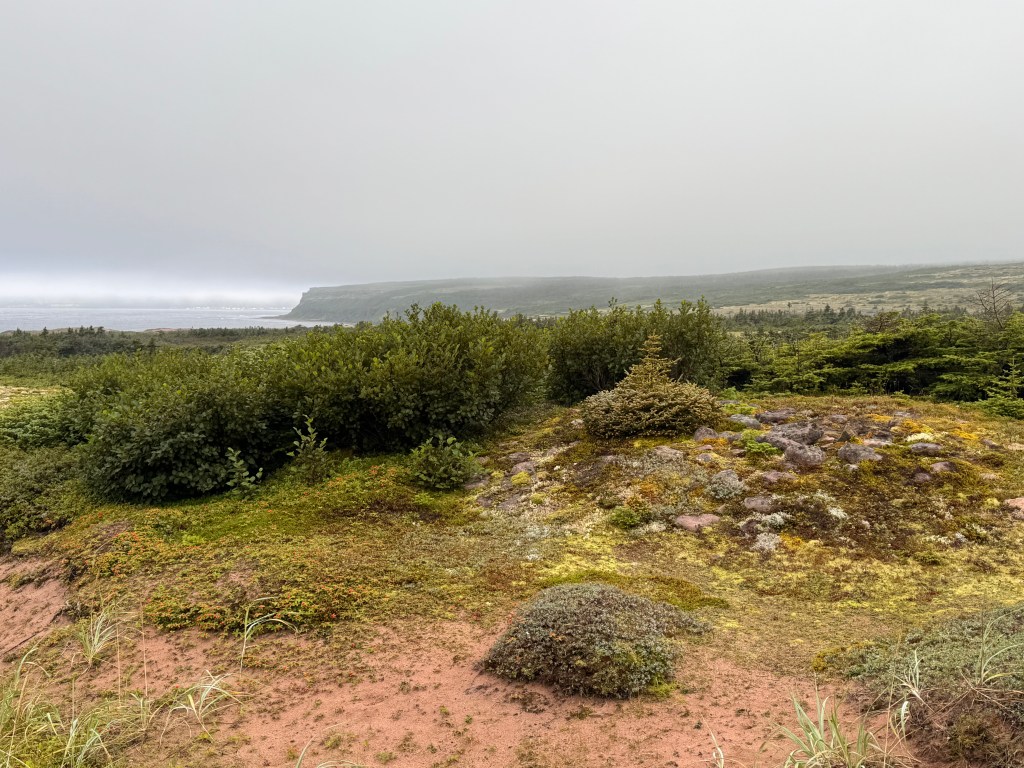
On our way to take the ferry back to Newfoundland, we had a brief stop at an ancient burial mound. The grave is 7,700 years old– by far the oldest funerary finding in North America. It contained the remains of a youth who was buried with tools, including a toggle harpoon. This finding set the date for this technology to much earlier than was previously thought. The remains– teeth and artifacts– are in storage in a museum, though the remains are not displayed. Everything else about the mound was restored to as it had been.
We were asked to consider whether digging up the mound for study was disrespectful or not. There are no known groups descending from the maritime archaic people. They were displaced by Inuit moving south thousands of years ago. So, no one speaks for them.
I agree with the excavation, myself. The discovery that the people had a higher level of technology than had been previously thought increases the respect we have for them. Having the artifacts removed to a museum means the are likely safe, for a while. But opinions differ.
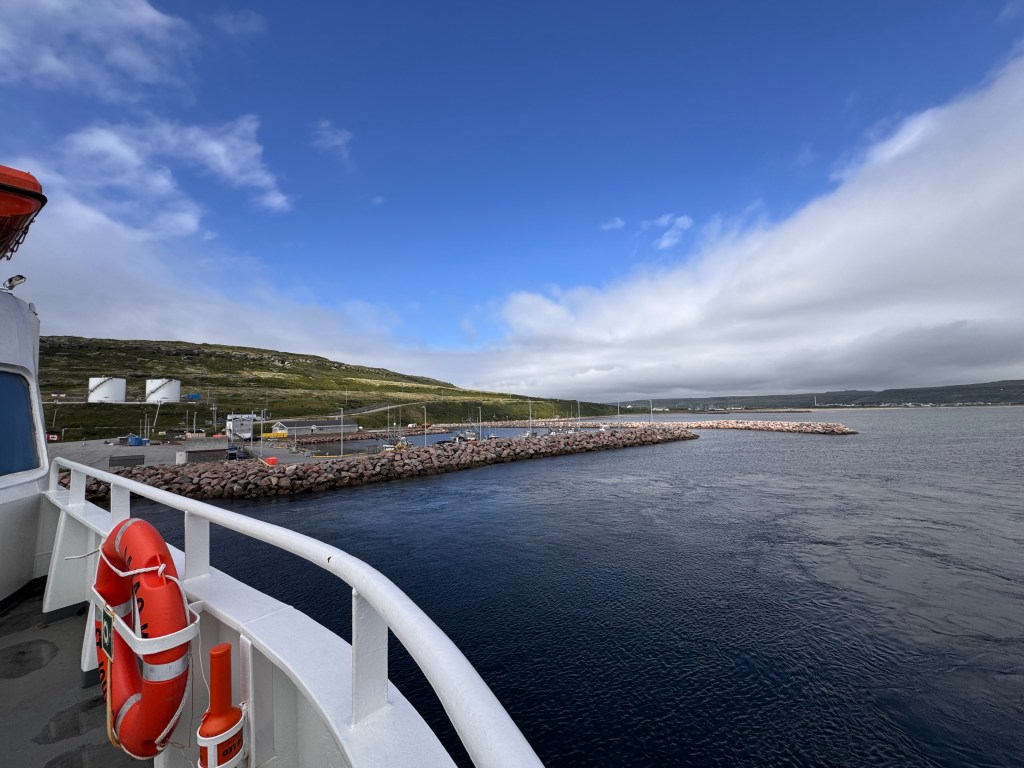
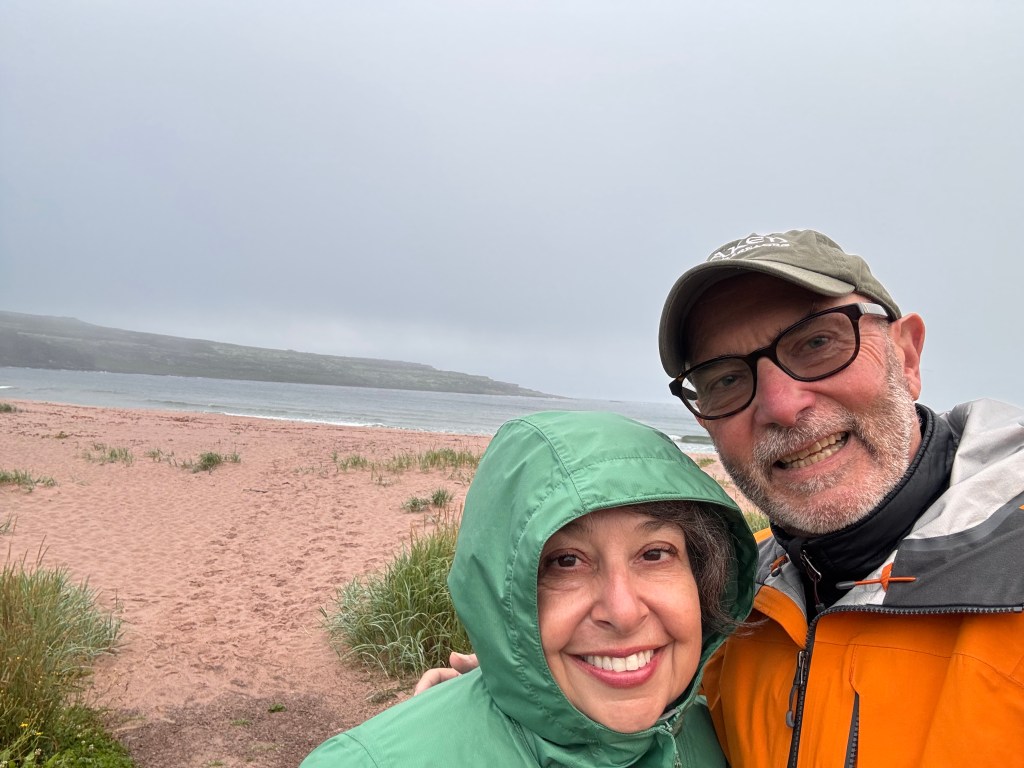
And then it was time to leave Labrador behind. We drove to the ferry, waiting in line in the bus for an hour, traversing the Belle Isle straits under blue skies for and hour and a half, and finally droving north for ninety minutes to St. Anthony. The distances are vast here. I’m glad I used my legs for the lighthouse climb, and Mark and I squeezed in a brief beach walk in L’Anse-au-Clair after breakfast this morning.


Leave a Reply