

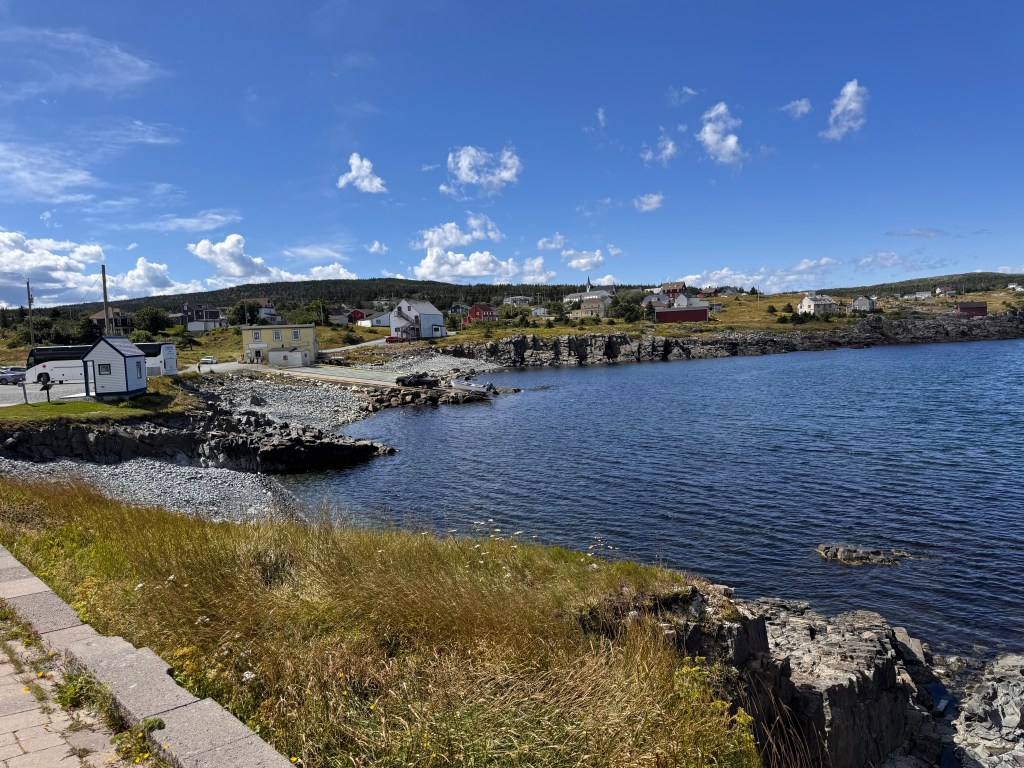
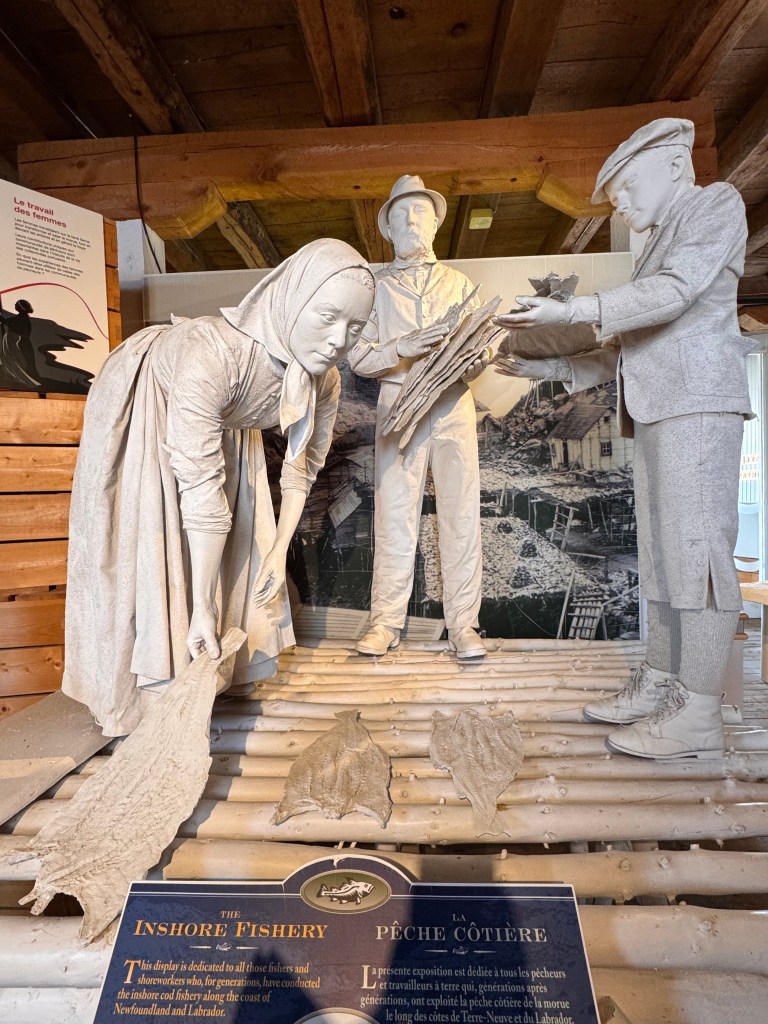
Cash may have always been king, but it’s certainly not always available. This is especially the case when a livelihood depends on something seasonal: agriculture or, here, fishing. In the early 1800s into the 1900s, fishermen would sell their dried cod to merchants. The fisherman were not paid in cash, but in store credit with the very same merchant who bought the fish. The practice almost always led to debt for the fishing families– too often through dishonest practices of the merchants who had control over pricing on all sides of the transactions.
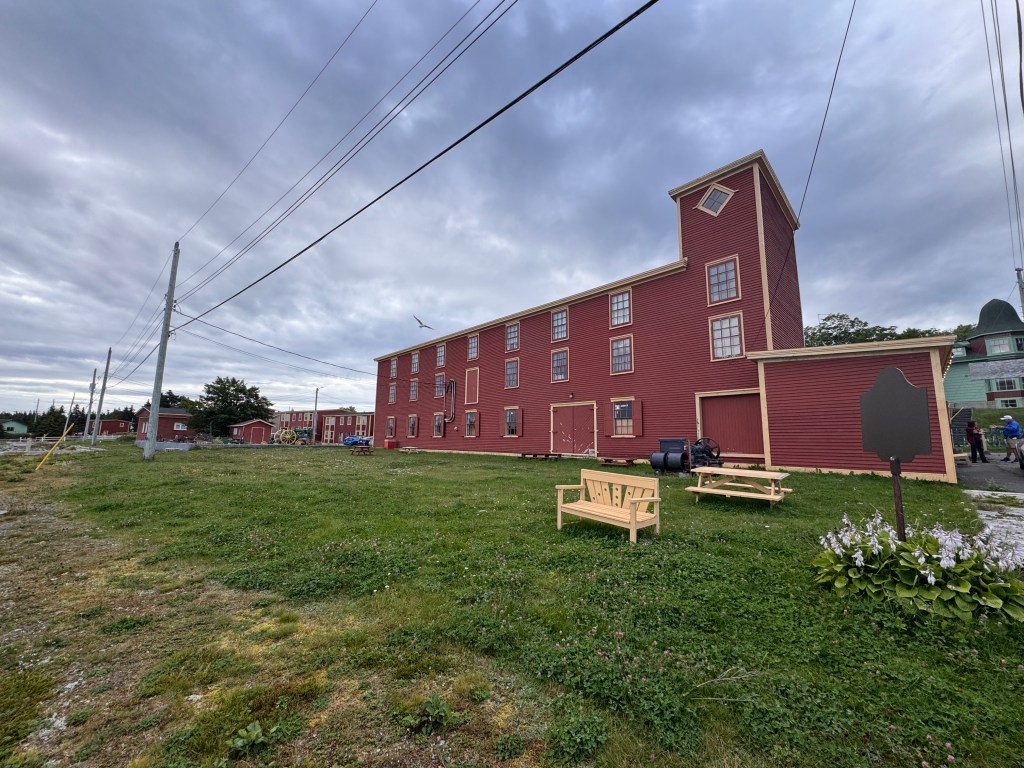
The system is called the “truck system,” from the French word troque, meaning to barter. It’s the origin of the saying “You’ve got no truck with me…, meaning no credit or credibility.” People who argued with a merchant over pricing could be cut off entirely, and then blacklisted with other merchants, which would certainly leave a family without any options at all.
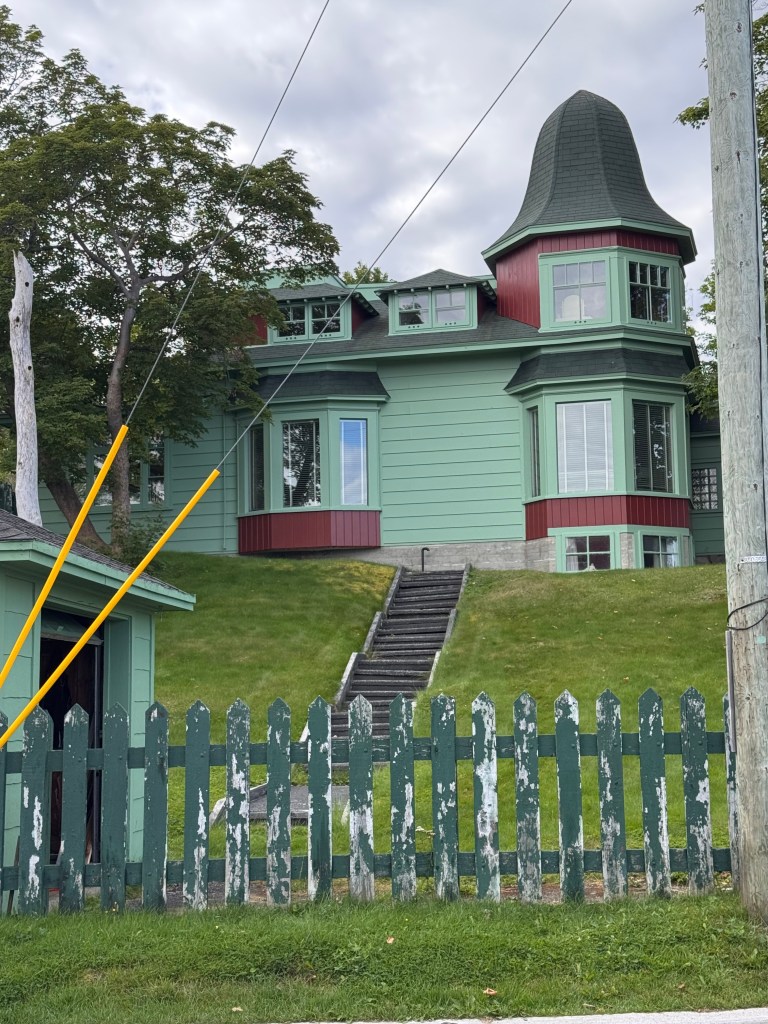
In the early twentieth century, William Croaker decided to do something about the inhumane practice and formed the Fisherman’s Protective Union (FPC). Union membership, at twenty-five cents, meant that fishermen could sell their fish to the union for cash and better prices. The FPU built a town, with workshops and offices, and a nice, Victorian bungalow, above, where Coaker lived. It transformed the lives and commerce of the fishing industry– until the cod fisheries were closed, abruptly in 1992.
The buildings fell into disrepair but several important ones have been restored to save the story, and the Croaker Foundation has its mission to explain it. We toured with an interpreter this morning. The enduring message of Croaker is that one person can change the world for the better.
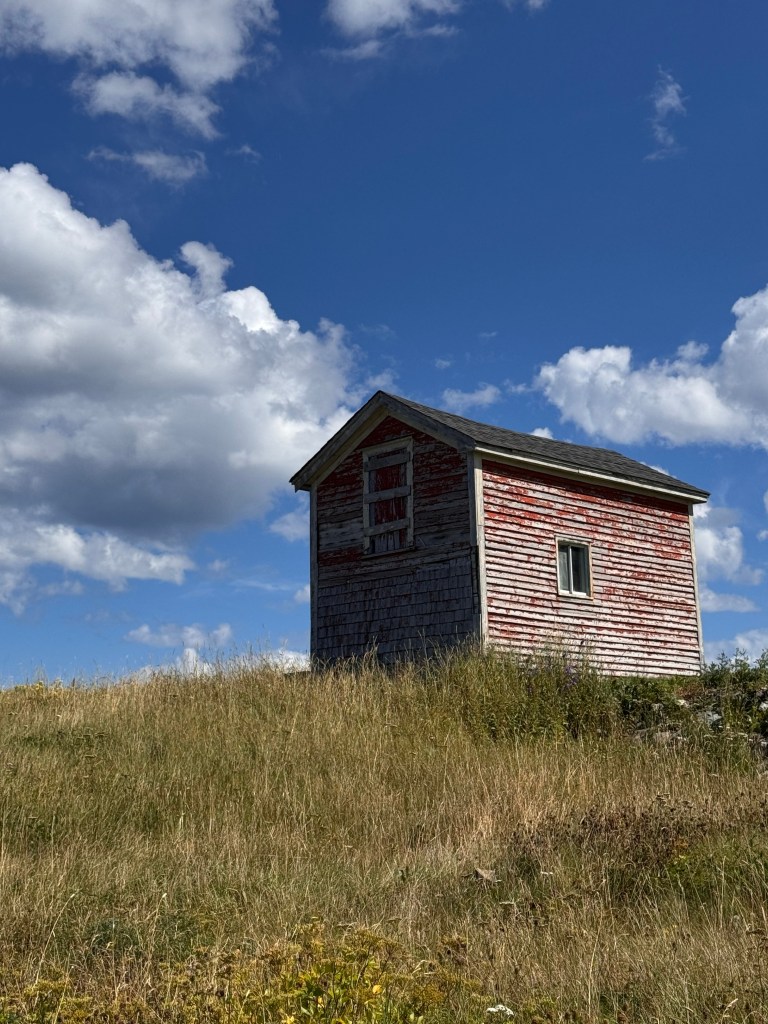
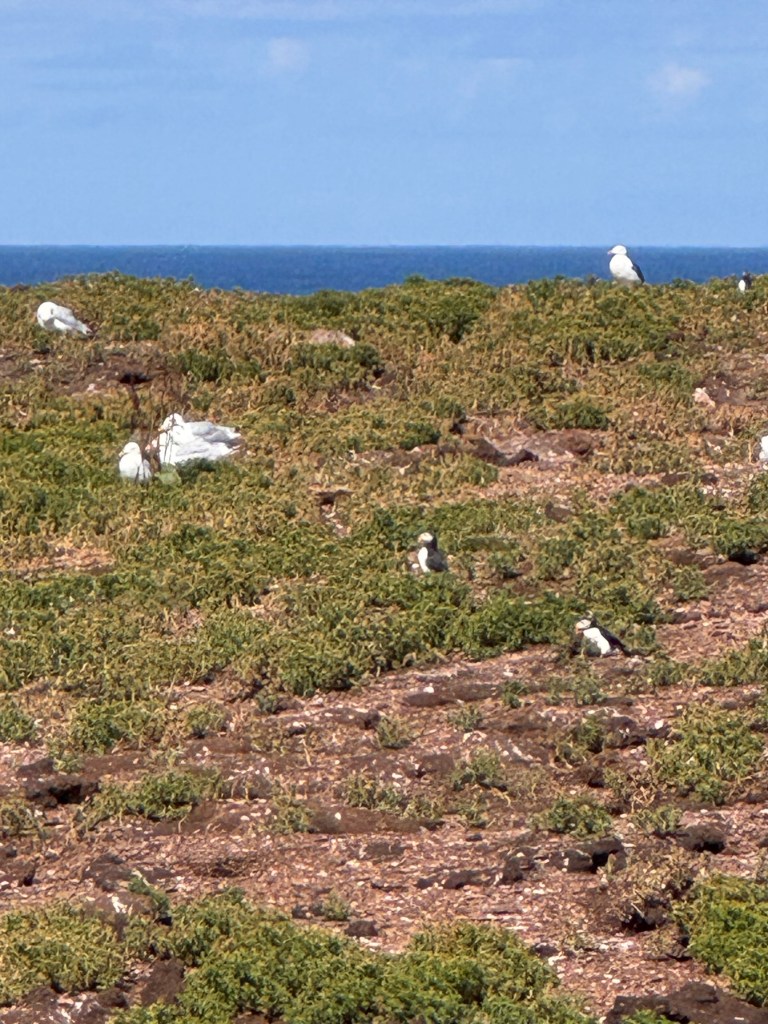
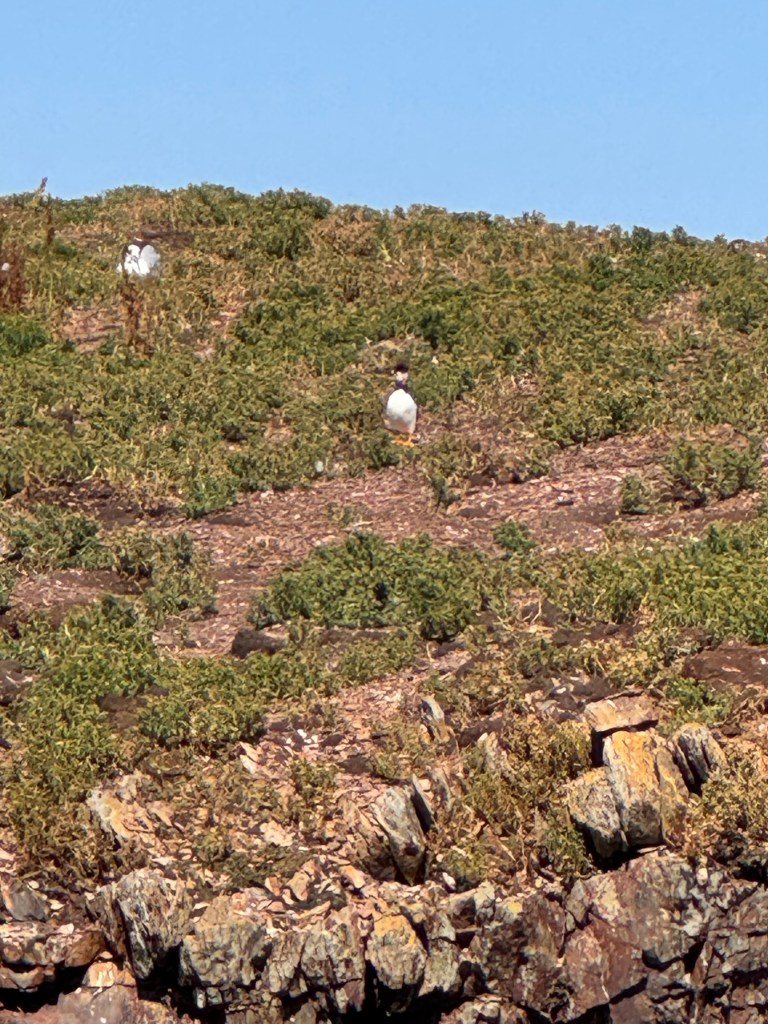
Our next heros of the day were from the bird world. We were off to see the puffins! These little birds nest on the rocky coast of Newfoundland and down into Maine. The return to the same outcrop and even burrow each season, hoping that their same mate will also have found their way back after months at sea. They are such cute birds, with bright bills, during nesting season. When they fly they seem to have to flap harder than other birds, though their proportions give them excellent swimming abilities for hunting. We visited this puffin spot at the end of the season, so there weren’t as many birds. My phone camera was on full digital zoom (cheating, I know) and the photos aren’t great.
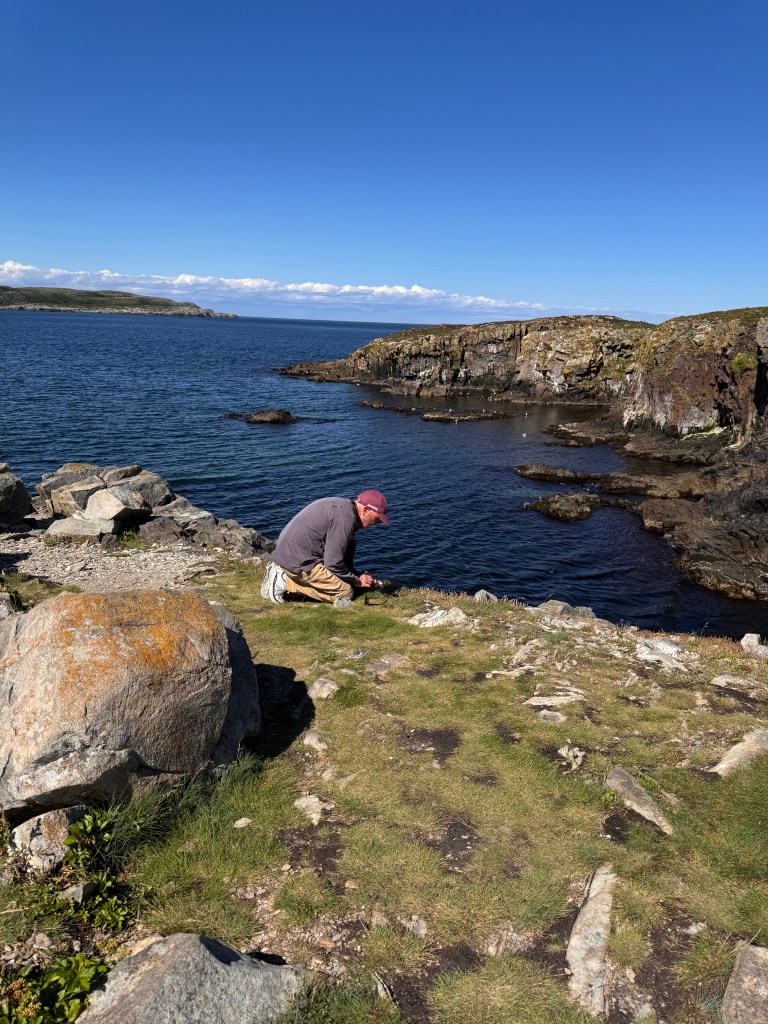
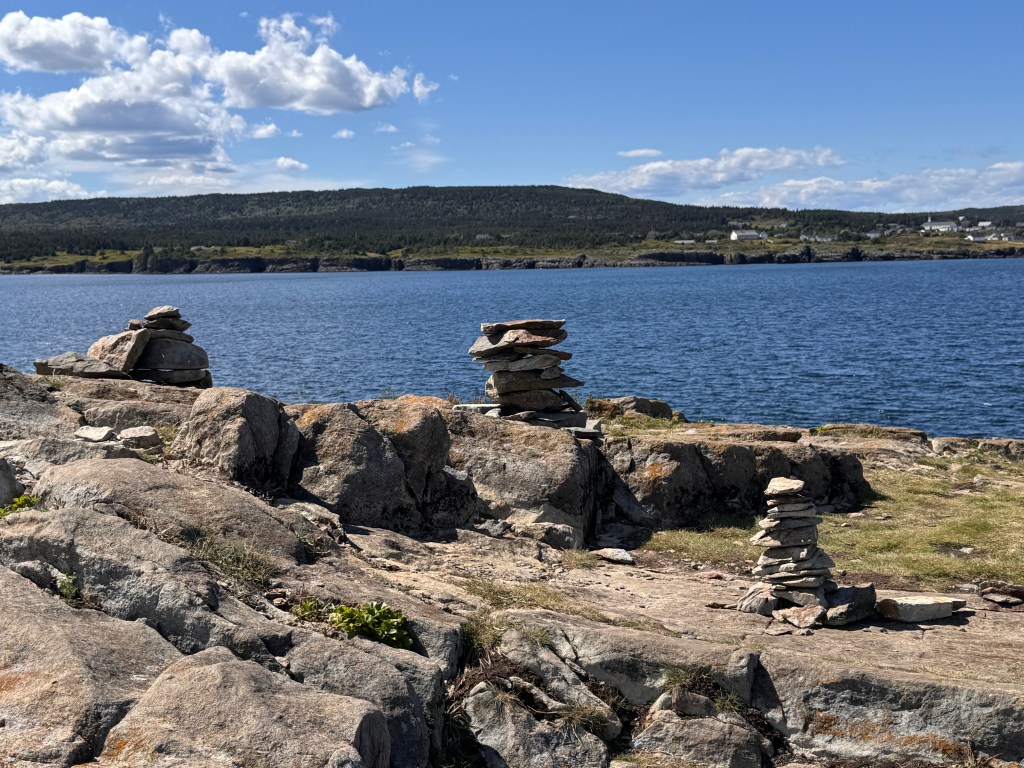
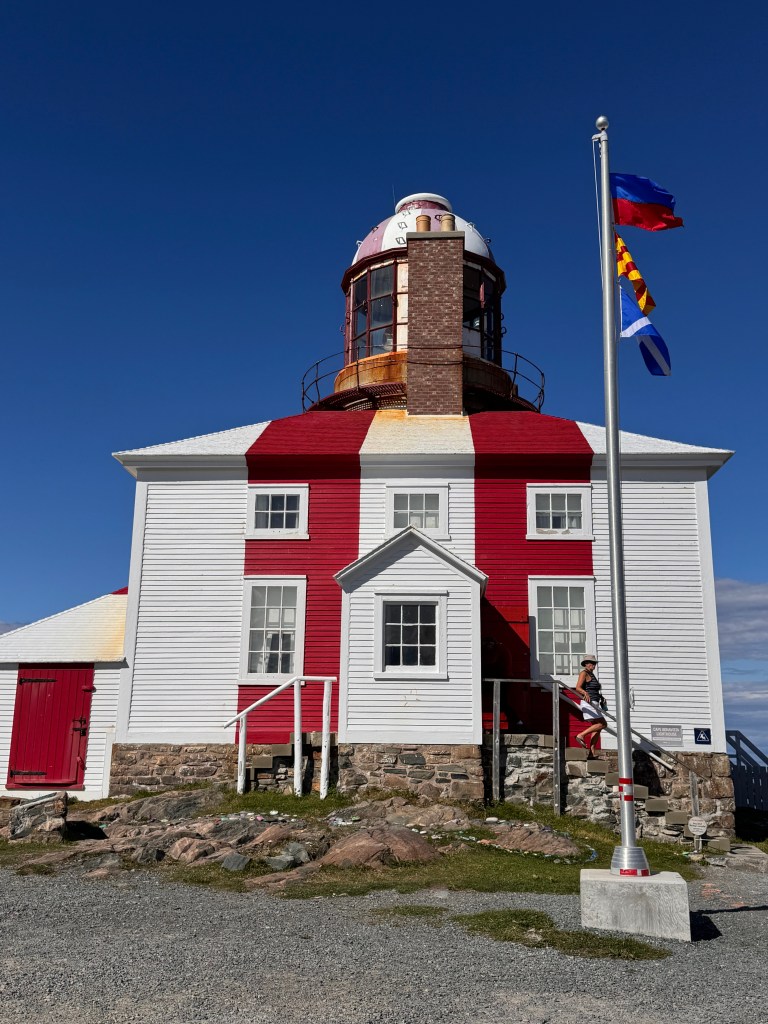
We had a couple more stops for scenery, including at another lighthouse. Every lighthouse along the coast was built to look intentionally different, for navigation support. The light patterns vary, of course, but so does the design of the house. This one, with its read and white stripes was very noticeable.
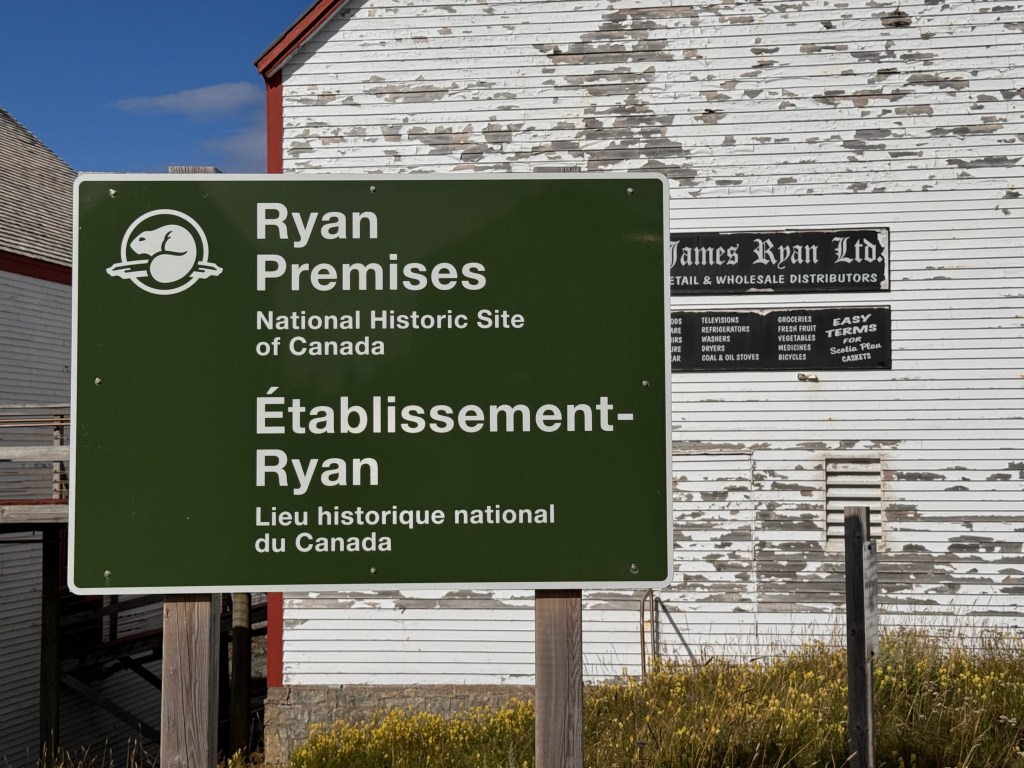
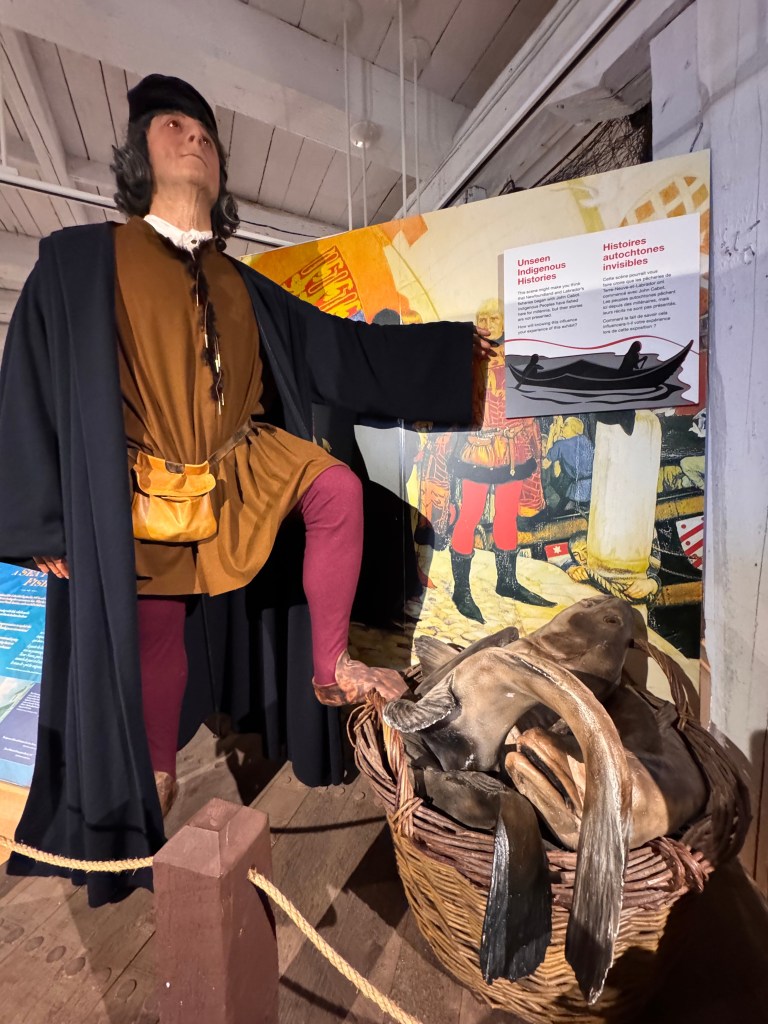
Our final historical site was the Ryan Premises, a merchant site. I would have liked more time here. The historical museum did a really fine job of telling the story of cod and people in Newfoundland. It is a theme that connects much of the world, really. Cod was an easily transported form of protein that fed people in Europe, the Caribbean and Latin America. Follow the history of cod and you can follow the history of much of the world for hundreds of years.
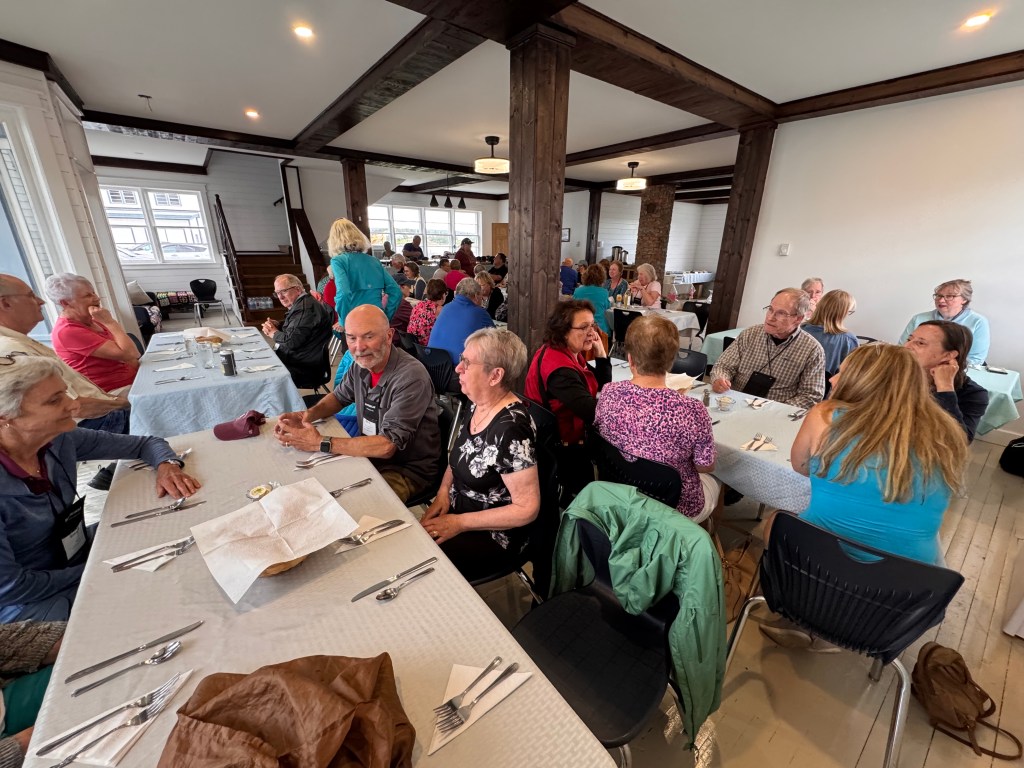
Our evening was a highlight of the trip. Road Scholar makes an arrangement with the Croaker Foundation to host a community potluck for participants. We gathered in a community room, and townspeople had prepared casseroles and desserts. We had a huge buffet. There were conventional potluck choices, like lasagne and mac & cheese. I was most interested to try the Newfoundland traditions: roasted moose, sweet & sour moose, cod au gratin, and cod & brews.
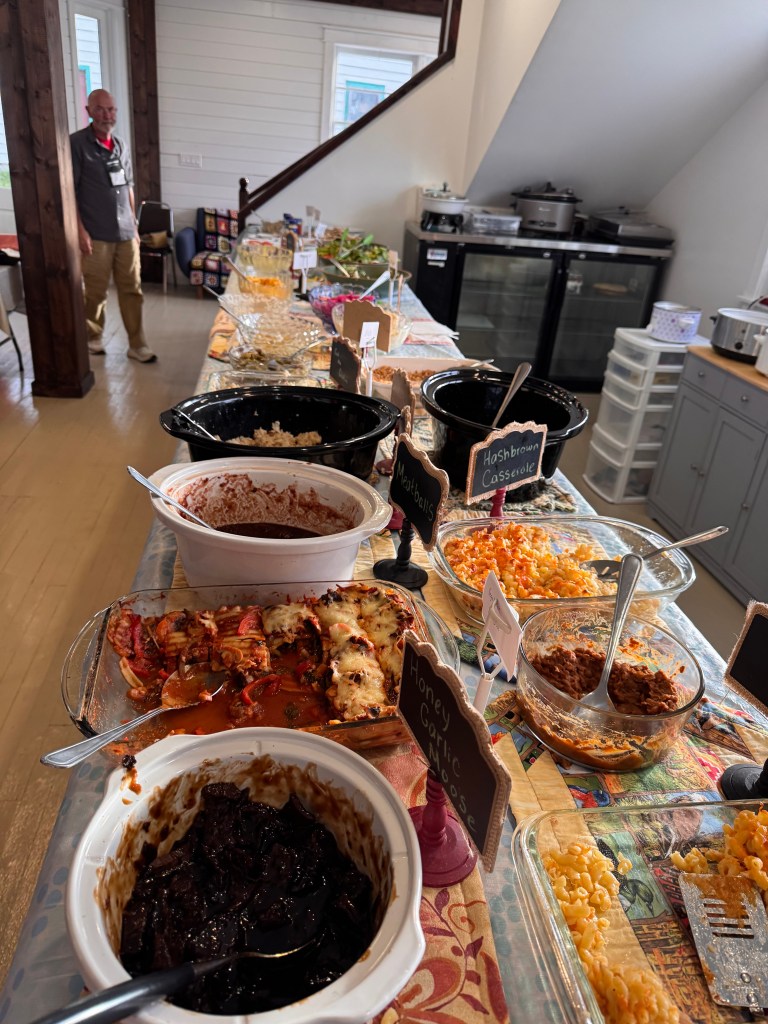
Moose is an introduced species and hunted seasonally. The meat is very lean, and what I tried was not particularly tough or gamey. I liked it. Cod au gratin has a famous part in the musical Come from Away, and cheese goes well with the meaty texture of cod. And cod & brews? “Brews” are a form of hardtack. The hardtack is soaked overnight and then mashed up with the flaked cod. I can’t say it had a lively flavor, but certainly can imagine that it provided the calories and protein needed for work and muscle, back in the day.
During the meal, people from the town came to sit at each table, so we had a chance to chat. I’ll admit, it wasn’t always easy to understand the two women who sat with our table, but they seemed to have a good time. Near the end of the meal, Mara, who was sitting beside me, turned and said, “Are you being screeched in tonight? I am not sure if I am suppose to say that…” Sure enough, we had one more event to the evening.
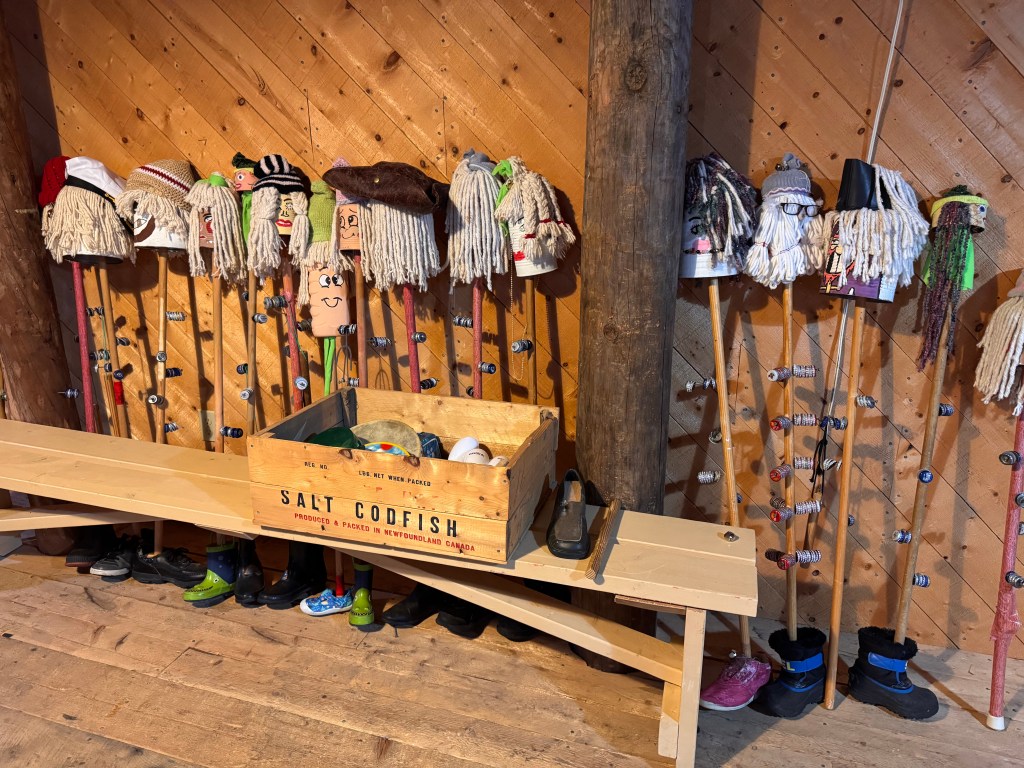
We trooped over to another gathering space, where the school’s music teacher entertained us with traditional Newfoundland music. We were able to keep rhythm with “ugly sticks,” and tambourines. The “ugly sticks,” are actually “ugly-beautiful” characters, I would say, and a wonderful example of making due.
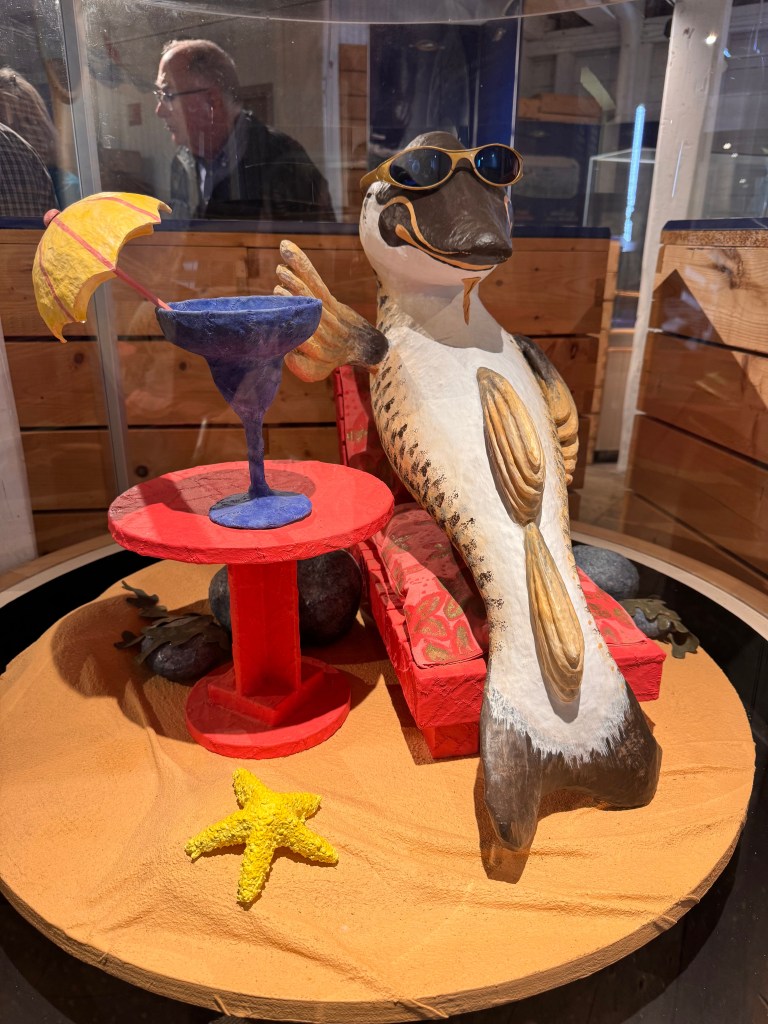
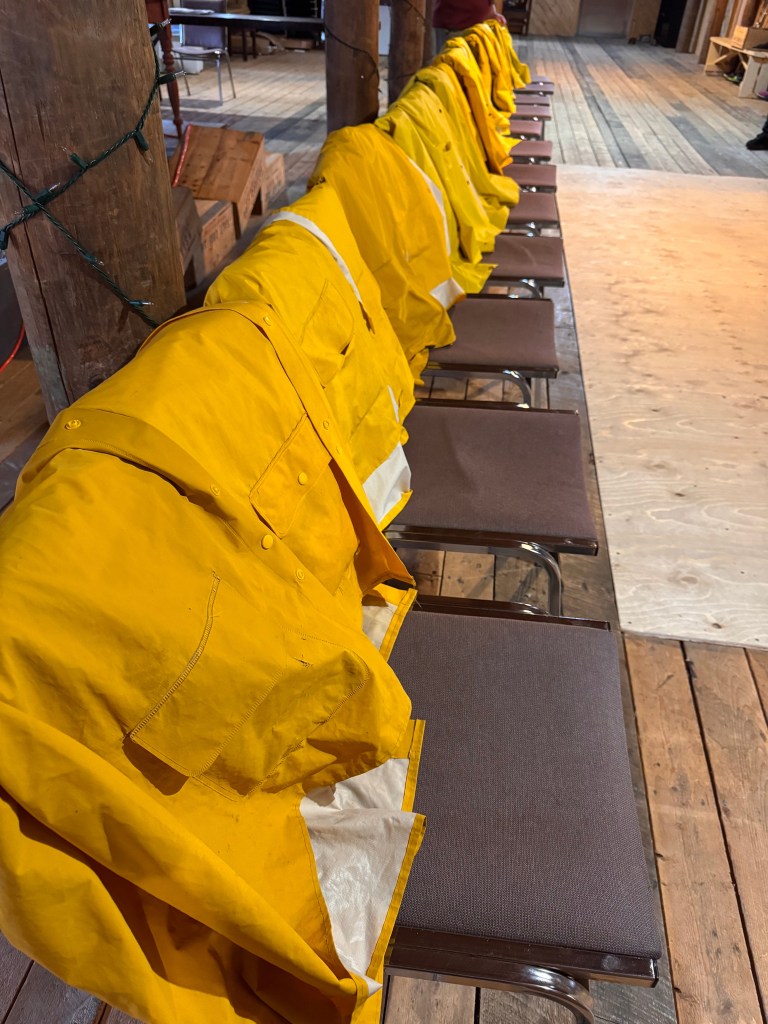
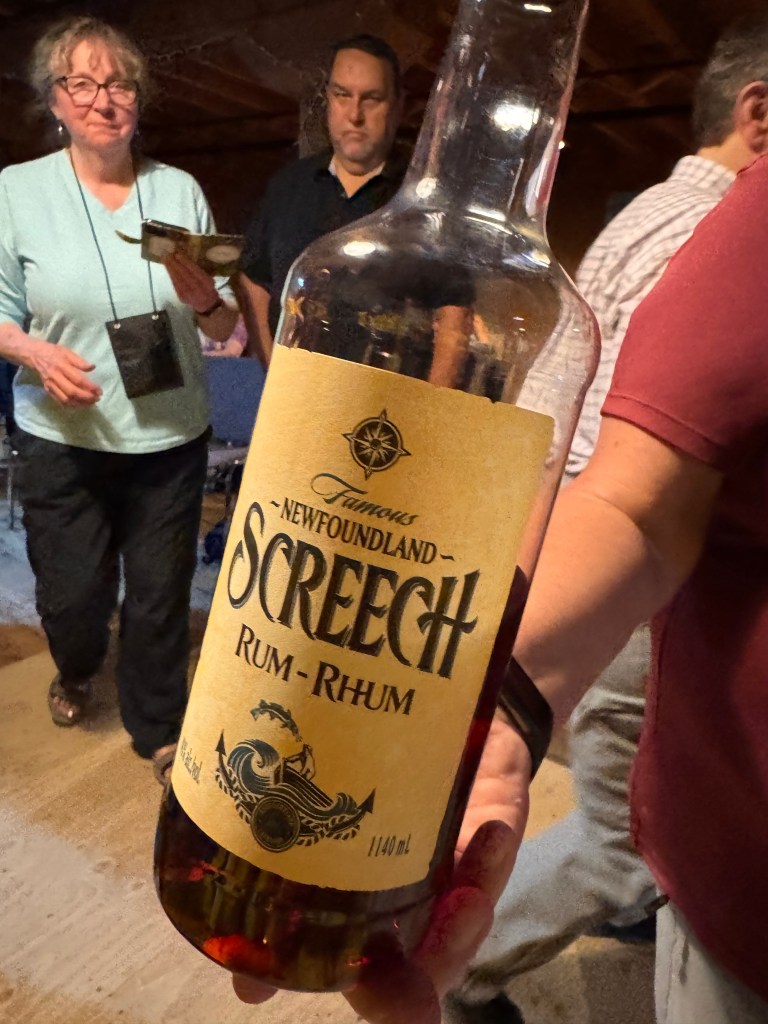
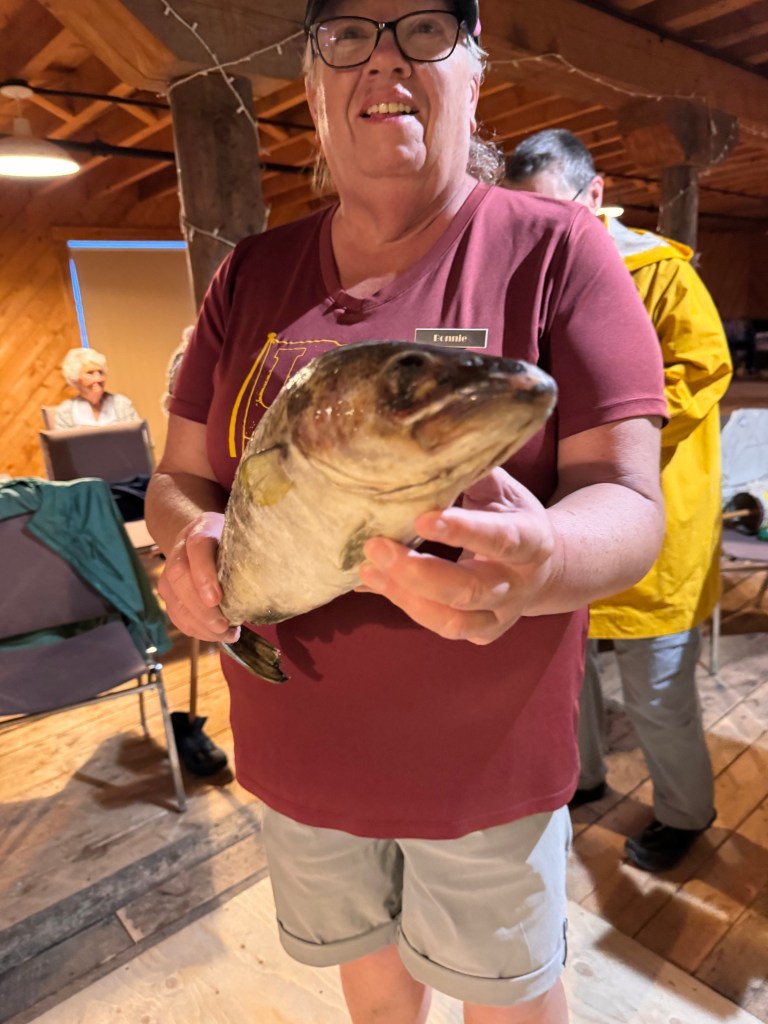
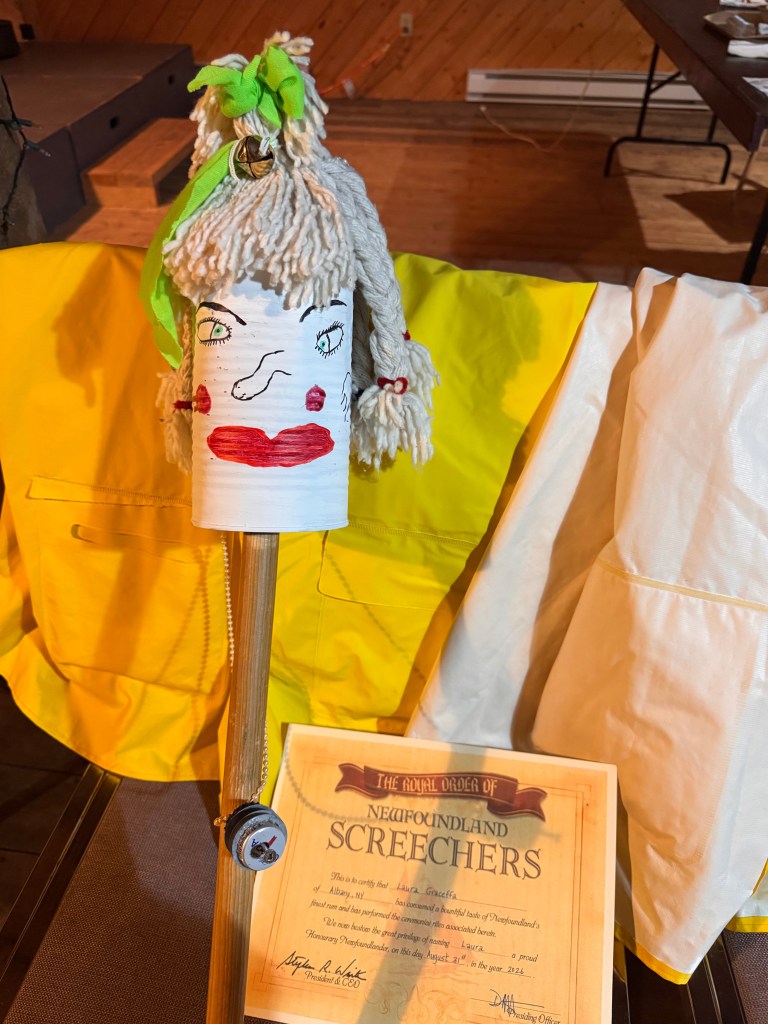
A “screech in” is the ceremony to become an honorary Newfoundlander. The steps vary a little bit, but alway involved kissing a cod, downing a shot of Screech (Newfoundland rum and not too sweet), and then, actually screeching. We did the required procedures after donning sou’westers. I did absolutely all the steps and have a certificate to prove it. Kissing a cod isn’t that hard, and the townspeople offered us a peppermint knob to take the edge off the Screech.
We had a ninety minute drive back to the hotel, and a moose ran across the road in front of the bus within 10 minutes of town. Excitement until the very end of the day, and a very sound sleep.


Leave a Reply